Learn more about wire mesh in our blog
Download
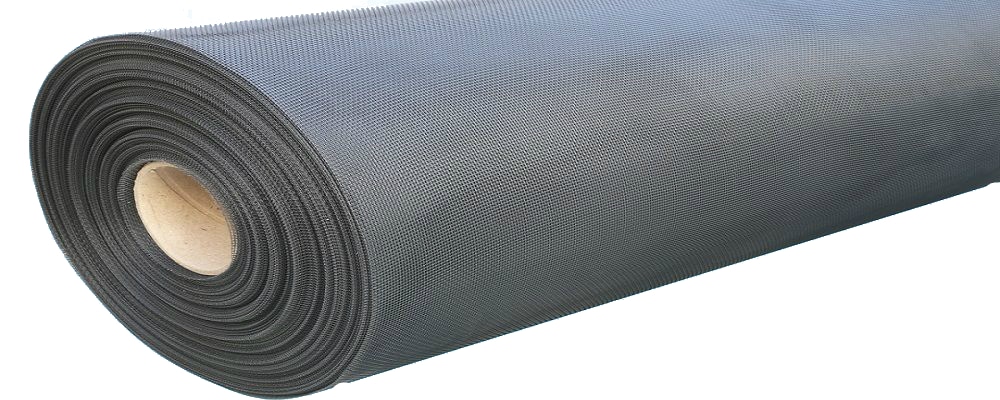
Epoxy-coated wire mesh is a woven wire mesh with a cured epoxy resin coating applied over the wire surface. The coating adds a protective barrier that improves corrosion resistance, helps withstand exposure to moisture and many industrial fluids, and extends service life in demanding operating environments.
For oil, hydraulic, and industrial filtration, epoxy-coated mesh is most often used as a support layer (also called a pleat support or pleat spacing layer) behind filter media. Lawrence Sintered Metals supplies epoxy-coated mesh that helps pleated filter elements hold their shape, resist collapse, and maintain consistent flow under pressure.
Epoxy-coated wire mesh starts as woven wire mesh (commonly stainless steel, carbon steel, or aluminum). After weaving, an epoxy resin is applied and cured to form a uniform protective layer over the wire surface.
Â
Because the coating is designed to flex with woven wire, epoxy coatings are typically not applied to sintered-mesh laminates or rigid welded-mesh products, which serve different performance needs.
Hydraulic systems rely on clean fluid to protect pumps, valves, cylinders, and precision components. In-line hydraulic filters and cartridge-style elements remove damaging particles from hydraulic oil as it circulates through equipment.
Â
Epoxy-coated woven mesh is commonly selected as a support layer in pleated filter elements, especially in hydraulic oil filtration where strength, pleat stability, and corrosion resistance are required.
Common real-world use cases include:
Â
Epoxy-coated wire mesh is used across industrial and commercial applications where surface protection and flexibility are critical.
One of the most common uses for epoxy-coated wire mesh is as a support layer in pleated filtration systems, including:
Â
Â
In these assemblies, the epoxy coating helps protect the support mesh from corrosion while the woven structure provides the strength needed to support pleated media.
The combination of woven construction and protective coating makes epoxy-coated mesh suitable for:
Â
Epoxy-coated mesh is frequently used in environments where exposure to moisture, chemicals, or corrosive conditions may reduce the lifespan of uncoated wire, including:
Â
Epoxy-coated wire mesh can be manufactured using various base materials depending on application requirements, including:
Â
Â
The base metal influences mechanical strength and temperature tolerance, while the epoxy coating adds surface protection and corrosion resistance.
Woven wire mesh consists of interlaced wires forming a flexible, cloth-like structure. Epoxy coating is applied exclusively to this type of mesh due to its ability to flex, pleat, and form without cracking the coating.
Sintered wire mesh is produced by bonding multiple layers of woven mesh together using heat and pressure. This process creates a rigid, porous structure and does not involve epoxy coatings. Sintered mesh is selected for high-strength or precision filtration applications, not for coated flexibility.
Welded wire mesh is formed by welding wires at their intersections, creating a rigid grid. Due to its construction, welded mesh is not typically epoxy-coated in the same manner as woven wire mesh and is used for entirely different applications.
Epoxy-coated wire mesh is a strong fit when your application requires:
Â
Â
Lawrence Sintered Metals supplies woven and coated mesh products and supports custom requirements when your filtration design demands a specific mesh count, wire diameter, or base alloy.
Epoxy-coated wire mesh can be customized to meet specific requirements, including:
Â
Â
Selection depends on operating environment, fluid exposure, temperature range, and the mechanical demands of the filter design. Our team can help confirm whether epoxy-coated woven mesh is the right support layer for your hydraulic oil filtration or industrial filtration application.