In demanding industrial environments, equipment is only as reliable as the materials it’s made from. From filtration systems exposed to corrosive chemicals to components operating under extreme heat and pressure, the need for durable materials is critical. One material that continues to prove its value across sectors is sintered metal mesh. Engineered for strength and stability, this high-performance material is making a name for itself in industries where longevity and reliability are non-negotiable.
What Is Sintered Metal Mesh?
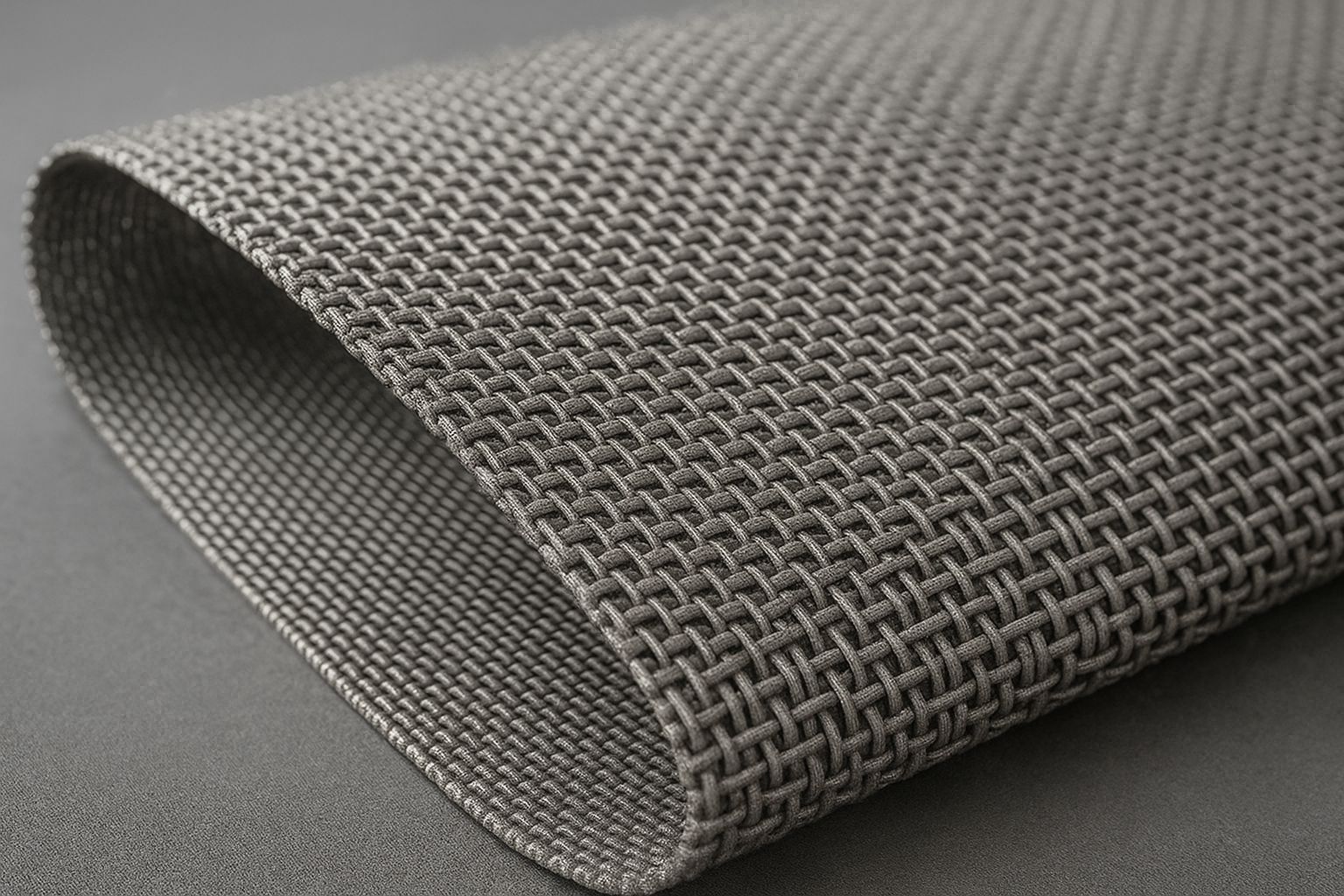
Sintered metal mesh is made by layering woven wire mesh and bonding it together using a process called sintering. This involves heating the mesh to just below the melting point of the metal, fusing the wires at their contact points. The result is a single, porous, multi-layered structure with enhanced mechanical strength and thermal resistance.
By controlling the layering and sintering process, manufacturers can fine-tune properties like porosity, filtration rate, flow rate, and tensile strength. The most common base material is stainless steel, but other options, like Hastelloy, can be used for applications requiring extreme corrosion resistance or temperature tolerance.
Why Durability Matters in Industrial Applications
In high-pressure or high-temperature environments, material failure isn’t just inconvenient—it can be dangerous and costly. Components like filters, diffusers, and flow control elements must maintain their integrity over long periods of time despite exposure to harsh operating conditions. That’s where durable metal mesh outperforms many traditional materials.
Durability in this context means resistance to:
Sintered metal mesh delivers on all fronts, making it a go-to material in industries like oil and gas, aerospace, chemical processing, and power generation.
Real-World Applications: Where Sintered Mesh Excels
Oil and Gas Industry
Offshore drilling platforms and refineries depend on filtration systems to remove particulates from fuel, gas, and hydraulic fluids. These systems operate under intense pressure and in some of the most corrosive environments imaginable. Stainless steel sintered mesh is ideal for this industry because it resists saltwater corrosion, handles fluctuating temperatures, and can be cleaned and reused, offering significant long-term savings.
Aerospace Engineering
In aerospace, weight reduction is key, but so is material strength. Sintered metal mesh is used in fuel systems, ventilation systems, and noise suppression devices. It offers high performance at a reduced weight compared to solid metal components, while still maintaining integrity under pressure and heat. Its uniform pore structure makes it an ideal solution for precise filtration needs in flight systems.
Chemical Processing
Chemical processing plants operate 24/7 and rely on consistent, uninterrupted filtration to maintain product purity and prevent contamination. Filters made from sintered mesh can be designed to handle aggressive chemicals, resist fouling, and hold their shape and performance across hundreds of cleaning cycles. This durability reduces downtime and minimizes replacement costs.
Power Generation
Whether it’s a gas turbine or a nuclear power plant, power generation requires materials that stand up to heat, oxidation, and high-pressure steam. Sintered metal mesh provides robust performance in these environments and can be custom-fabricated for specific filtration or separation needs.
Comparing Sintered Metal Mesh to Other Materials
Let’s take a closer look at how sintered mesh stacks up against other common materials used in industrial applications:
Woven wire mesh (unsintered): While flexible and customizable, woven mesh alone lacks the rigidity and durability required for long-term high-pressure use. Over time, it may deform or unravel. Sintering solves this problem by permanently bonding the structure into a strong, unified whole.
Perforated metal sheets: These offer strength but have lower filtration precision. They also tend to be bulkier and less efficient when fine filtration or backflushing is required.
Polymer-based filters: In chemical or high-temperature environments, polymers degrade quickly. While they may work well in low-temperature, low-pressure situations, they are not a match for sintered metal mesh in durability or lifespan.
Ceramic filters: Though excellent at withstanding high temperatures, ceramic components can be brittle and prone to cracking under mechanical stress. Sintered mesh offers more flexibility and better resistance to vibration and impact.
Benefits of Stainless Steel Sintered Mesh
Among all base materials, stainless steel stands out for its combination of corrosion resistance, strength, and cost-effectiveness.
Key benefits include:
Built to Last, Built for Industry
When evaluating filtration or structural components for high-performance environments, sintered metal mesh delivers unmatched durability and reliability. Its engineered structure, resistance to environmental extremes, and long service life make it a superior choice across a wide range of applications.
At Lawrence Sintered Metals, we specialize in producing durable sintered metal mesh solutions that are customized for your unique needs. Whether you’re designing for the oilfield, the tarmac, or the plant floor, our stainless steel sintered mesh products are built to keep performing where others fail.
Let’s Talk About Your Project
Need help choosing the right mesh for your application? Our team of experts is ready to answer your questions, provide custom specifications, and help you get the most from your material investment. Contact us today to learn how sintered metal mesh can improve the performance and longevity of your next project.